



ISO Standards for Dental Materials

ISO standards ensure dental materials are safe, high-quality, and compliant with Australian regulations. They guide manufacturers, clinicians, and researchers to meet strict safety benchmarks, protecting patients and improving dental care. Key highlights include:
- ISO 7405:2018: Focuses on biocompatibility testing to ensure materials are safe for oral tissues.
- ISO 10993: Provides general medical device testing protocols, including cytotoxicity and genotoxicity.
- ISO 13485: Outlines quality management systems for consistent manufacturing and safety.
In Australia, the Therapeutic Goods Administration (TGA) enforces these standards, requiring dental products to be listed on the Australian Register of Therapeutic Goods (ARTG) before use. Compliance reduces risks, improves efficiency, and supports eco-friendly innovations like biodental composites and sustainable practices in clinics.
| ISO Standard | Focus | Application in Dental Materials |
|---|---|---|
| ISO 7405 | Biocompatibility testing | Dental-specific safety and performance |
| ISO 10993 | Biological evaluation of medical devices | General medical device testing |
| ISO 13485 | Quality management systems | Manufacturing and quality control |
These standards ensure that dental materials meet global safety requirements while supporting Australia’s push for sustainability and innovation.
Understanding ISO 7405:2018 and Related Standards
Scope and Key Definitions
ISO 7405:2018 lays out test methods for assessing the biological effects of dental medical devices [4]. It offers a structured approach to tackle the unique challenges posed by the oral environment.
The standard takes a broad view of dental materials, covering a wide range of products. These include restorative materials like composite resins and amalgams, prosthetic devices such as crowns, bridges, and implants, as well as orthodontic appliances, endodontic materials, and periodontal treatment products. Each category has its own testing requirements since the risks vary depending on how the material is used and how long it stays in contact with oral tissues.
What sets ISO 7405:2018 apart is its focus on preclinical biocompatibility evaluation. It stresses the importance of material characterisation, in vitro and in vivo testing, and risk assessment [3]. This layered approach ensures that dental materials are rigorously tested before they are introduced into clinical settings.
The standard also mandates biocompatibility tests, such as cytotoxicity, genotoxicity, and irritation assessments [1]. These tests mimic real-world oral conditions to identify any potential adverse reactions before the materials are used with patients.
With these foundations laid out, let’s examine how ISO 7405:2018 aligns with other standards to ensure the safety and performance of dental materials.
How ISO 7405:2018 Works with Other Standards
ISO 7405:2018 doesn’t function in isolation; it works in tandem with other standards to form a comprehensive regulatory framework. Together, these standards ensure the safety and quality of dental materials.
ISO 10993 serves as the cornerstone for the biological evaluation of medical devices, including dental biomaterials [3]. It encompasses various tests such as cytotoxicity, irritation, sensitisation, systemic toxicity, genotoxicity, and carcinogenicity [3]. ISO 7405:2018 builds on this foundation by introducing requirements tailored to the dental field.
The key distinction lies in their focus. ISO 10993 provides a general framework for all medical devices, while ISO 7405:2018 addresses the specific challenges of the oral environment. Dental materials face unique stresses, including constant moisture, temperature changes, chewing forces, and exposure to varying pH levels from food and drinks.
| ISO Standard | Primary Focus | Application in Dental Materials |
|---|---|---|
| ISO 10993 | Biological Evaluation | General medical device testing protocols |
| ISO 7405 | Preclinical Evaluation | Dental-specific biocompatibility assessment |
| ISO 13485 | Quality Management System | Manufacturing and quality control processes |
ISO 13485 complements both ISO 10993 and ISO 7405:2018 by outlining quality management system (QMS) requirements for medical devices [3]. This ensures manufacturers maintain consistent quality throughout the production process, from sourcing raw materials to delivering the final product.
For Australian clinicians and manufacturers, this integrated framework is particularly significant. The Therapeutic Goods Administration (TGA) requires compliance with these ISO standards for dental products entering the Australian market. For instance, custom-made dental devices imported by practitioners must adhere to these standards and be listed in the Australian Register of Therapeutic Goods (ARTG) before importation [5].
Test Methods and Evaluation Criteria
Biological Evaluation Tests
ISO 7405:2018 outlines specific methods for assessing the biological effects of dental medical devices [4]. These tests are designed to confirm that dental materials are safe for use in clinical settings by examining key safety parameters. For example, cytotoxicity testing evaluates whether materials in contact with living tissues maintain cell viability. This is especially important for materials like composite resins and adhesives that directly interact with oral tissues.
Other assessments, such as sensitisation and irritation tests, help determine if a material could cause allergic reactions or tissue inflammation. For devices intended for long-term use, such as implants, genotoxicity testing is conducted to ensure they do not pose risks at the genetic level. Additionally, ISO 7405:2018 includes guidelines to evaluate dental materials containing active agents, such as fluoride-releasing or antimicrobial compounds, ensuring these substances do not produce unintended biological effects.
The framework acknowledges the complexities of the oral environment, including constant exposure to moisture, temperature changes from food and drinks, and the mechanical stress of chewing. These factors can influence how materials perform and whether they release substances during use. Such evaluations are essential for establishing the safety measures detailed in subsequent sections.
Control Materials and Testing Accuracy
To ensure accurate results, control materials play a crucial role in biocompatibility testing. Negative controls, such as high-grade titanium, and positive controls, like controlled concentrations of DMSO, are used to validate the testing system. Reference materials also help contextualise findings, particularly when assessing new or experimental materials.
Accuracy in testing is further supported by standardised preparation methods and stable testing conditions. ISO 7405:2018 provides detailed guidance on procedures like surface treatment, sterilisation, and extraction techniques to mimic real-world clinical environments. This systematic approach aligns Australian testing practices with international standards, ensuring consistency in biocompatibility data and aiding local manufacturers in integrating their findings with global research and regulatory frameworks. Additionally, adherence to these procedures reinforces quality management systems, such as those required under ISO 13485, demonstrating robust quality assurance to regulatory authorities.
Impact on Eco-Friendly Dental Materials
Environmental Responsibility in Dental Materials
ISO standards set strict safety and biocompatibility requirements, creating a solid framework for developing environmentally conscious dental materials. While ISO 7405:2018 primarily focuses on the biological evaluation of dental materials, its emphasis on long-term performance indirectly supports sustainability by extending the lifespan of these materials [4][7]. This rigorous testing process lays the groundwork for greener innovations in dentistry.
The environmental impact of the dental industry is substantial, with over 500 million dental restorations performed globally and a market valued at US$1.5 billion [6]. By ensuring materials are durable and reliable, ISO standards help reduce waste caused by failed restorations.
Sustainable dental materials adhering to ISO standards include biodental composites derived from natural sources and glass ionomer cements made from naturally occurring raw materials [8]. Additionally, the ISO testing framework encourages the creation of materials with fewer toxic components, further reducing their environmental impact.
These developments align with Australia’s increasing focus on sustainable dental practices.
Application in Australia’s Dental Industry
Australia’s regulatory landscape complements global ISO standards, reinforcing the push for sustainability. The Therapeutic Goods Administration (TGA) largely recognises ISO standards for dental materials, enabling eco-friendly products to enter the Australian market more efficiently [2].
"The ADA supports cost effective supply of dental materials and devices while ensuring they are safe to use and appropriately regulated." – Australian Dental Association [2]
Australian dental laboratories must meet various legislative requirements covering workplace safety, infection control, material quality, and waste management [2]. The shift towards sustainability is evident in the growing use of eco-friendly materials and energy-efficient practices in clinics. However, challenges like recycling dental waste and raising awareness persist [9][10].
In 2024, Dr. Robert Panjkov from Australia received the FDI Sustainability Award for his innovative contributions to eco-friendly dentistry, showcasing the country’s dedication to balancing environmental responsibility with clinical excellence [10]. Despite this progress, single-use plastics remain a significant concern within the industry [10].
Australian dental practices can further minimise their environmental impact by adopting measures such as reducing water usage, improving recycling efforts, purchasing recycled products in bulk, and upgrading to energy-efficient equipment [11].
"Improvements in oral health and well-being can be gained through prevention, screening and monitoring of systemic health conditions in environmentally friendly practices." – FDI World Dental Federation [10]
sbb-itb-2be92ed
Regulatory Requirements in Australia
Meeting Australian Guidelines
Australia combines ISO testing protocols with its local regulations to ensure safety and quality in dental practices. The Therapeutic Goods Administration (TGA) plays a central role as the primary regulatory body, working in tandem with the Dental Board of Australia to oversee compliance. Dental practitioners must meet both TGA and Dental Board standards when importing or manufacturing dental devices [5]. This dual-layered approval process ensures adherence to ISO and TGA requirements.
Before any device can be used, it must be listed on the Australian Register of Therapeutic Goods (ARTG) [5]. This rule also applies to materials and components used in crafting dental devices, ensuring a thorough review of the entire supply chain. Additionally, dental laboratories in Australia must comply with Commonwealth, state, and local laws addressing areas such as occupational health and safety, infection control, quality control, and waste management [2].
These regulations lay the groundwork for how materials are sourced and devices are manufactured, which will be explored further in the next section.
Requirements for Clinics and Manufacturers
Dental practices and manufacturers have different responsibilities depending on their role in sourcing and using materials. Practitioners who purchase finished devices from Australian sponsors already listed on the ARTG are not required to apply for separate ARTG inclusion when using those devices [5]. However, those directly importing materials or manufacturing devices face additional TGA obligations. These include compliance with the Essential Principles, reporting adverse events, and adhering to advertising requirements [5].
For clinicians involved in manufacturing dental devices, specific scenarios determine their obligations. If materials are sourced from Australian suppliers already listed on the ARTG, non-implantable devices may not require further ARTG inclusion, provided all other TGA requirements are met [5]. However, implantable devices must always be ARTG-listed, regardless of the material source [5].
Here are two examples:
- Amir, who fabricates crowns using ARTG-listed blocks from an Australian supplier, is exempt from additional ARTG inclusion as long as he follows all TGA regulations [5].
- Maya, on the other hand, uses a 3D printer with resin sourced locally to create surgical guides. If she were to import resin from overseas, ARTG inclusion would be required [5].
Orthodontic materials, such as brackets and wires, must also be ARTG-listed before being imported or supplied. However, assembling these materials for individual patients falls under clinical practice and does not require additional TGA regulation [5].
Example: Complete Smiles Bella Vista
The dental clinic Complete Smiles Bella Vista, led by Dr. James Hanna, serves as a model of compliance with ISO and TGA standards. The practice sources ARTG-listed materials and follows all required safety protocols. Offering a wide range of services – including general dentistry, cosmetic treatments, and specialised procedures like dental implants and orthodontics – the clinic ensures that all materials used meet rigorous safety and quality checks.
For imported materials, the clinic verifies that suppliers have proper ARTG inclusion. Additionally, any in-house manufacturing adheres to TGA obligations, reinforcing their commitment to patient safety. For example, dental implants, which require mandatory ARTG inclusion, are a key focus in their specialist treatments. This strict adherence to regulatory standards ensures patients receive care built on thoroughly tested and approved materials.
Biological Evaluation of Medical Devices Webinar
Conclusion
ISO standards play a critical role in maintaining quality assurance within Australia’s dental industry. They ensure high levels of safety, performance, and environmental responsibility, laying the groundwork for both patient protection and industry progress.
The integration of ISO 7405:2018 with TGA regulations forms a comprehensive system that not only prioritises patient safety but also encourages advancements in dental technologies. This robust framework supports an industry valued at approximately AUD $860 million annually [13].
Sustainability is also a growing focus. The development of eco-conscious materials is guided by standards like ISO 14001, which helps organisations align with Australian environmental laws by mitigating risks and avoiding penalties [12]. These efforts are essential for promoting sustainable dental practices across the country.
For dental clinics, implementing ISO 13485:2016 is a game-changer. This standard provides structured protocols for material selection, equipment upkeep, and staff training [14]. With regular audits and a commitment to continuous improvement, clinics can maintain compliance while enhancing patient care and satisfaction [1]. For instance, Complete Smiles Bella Vista exemplifies how adhering to these standards translates into safe, reliable, and high-quality patient care. By following these guidelines, practices not only meet current demands but also prepare for future advancements.
Looking ahead, ISO standards are expected to adapt alongside emerging innovations in dental biomaterials, such as nanotechnology, 3D printing, and biodegradable solutions [3]. As SHEQ Management Pty Ltd aptly states:
"In Australia’s highly regulated business environment, achieving excellence in safety, environmental stewardship, and quality is more than a competitive advantage – it’s a legal and ethical responsibility." [12]
FAQs
What role does ISO 7405:2018 play in ensuring the safety of dental materials used in the mouth?
ISO 7405:2018 is essential for maintaining the safety of dental materials, as it establishes globally recognised guidelines for testing their biological effects and how they interact with oral tissues. These standards focus on assessing risks like toxicity or negative reactions, ensuring materials are safe for patients and work well within the oral environment.
Following ISO 7405:2018 gives dental professionals and manufacturers the assurance that their materials meet rigorous safety criteria, supporting improved patient care and lasting oral health.
How does the Therapeutic Goods Administration (TGA) ensure dental materials used in Australia are safe and effective?
The Therapeutic Goods Administration (TGA) is essential in safeguarding the safety, quality, and performance of dental materials in Australia. It evaluates and regulates these materials to ensure they comply with stringent national standards before being made available for clinical use.
This oversight ensures that dental materials – whether for fillings, crowns, or implants – are dependable and safe for patients. Through its thorough regulation, the TGA helps maintain high standards in dental care throughout the country.
How do ISO standards support the use of sustainable and eco-friendly dental materials?
ISO standards play an important role in encouraging sustainable and eco-friendly practices within dentistry. They provide clear guidelines to ensure dental materials are safe, effective, and have a reduced environmental footprint, all while maintaining high-quality standards.
Take ISO 11143-certified amalgam separators as an example. These devices are designed to capture more than 95% of amalgam waste, keeping harmful materials out of water systems and reducing pollution. Similarly, ISO/TC 106 focuses on creating standards that promote the use of safer, resource-efficient, and environmentally conscious materials in dental care. These initiatives align with global efforts to support sustainability, helping the dental industry move towards greener and more responsible operations.
Related Blog Posts
- What Are Biocompatible Dental Materials?
- Energy-Efficient Dental Materials: Overview
- ISO 14801: Fatigue Testing for Dental Implants
- Dental Equipment Inspection: Key Requirements
Important Notice: Any surgical or invasive procedure carries risks. Before proceeding, you should seek a second opinion from an appropriately qualified health practitioner.
Individual results may vary. The information provided in this article is for educational purposes only and does not constitute medical advice.
Checkout Related Blogs



Get in touch with us
For more information, call us now to start feeling better. Or fill the form below to make appointment
The Latest News from Complete Smiles
How to Clean Clear Plastic Retainers
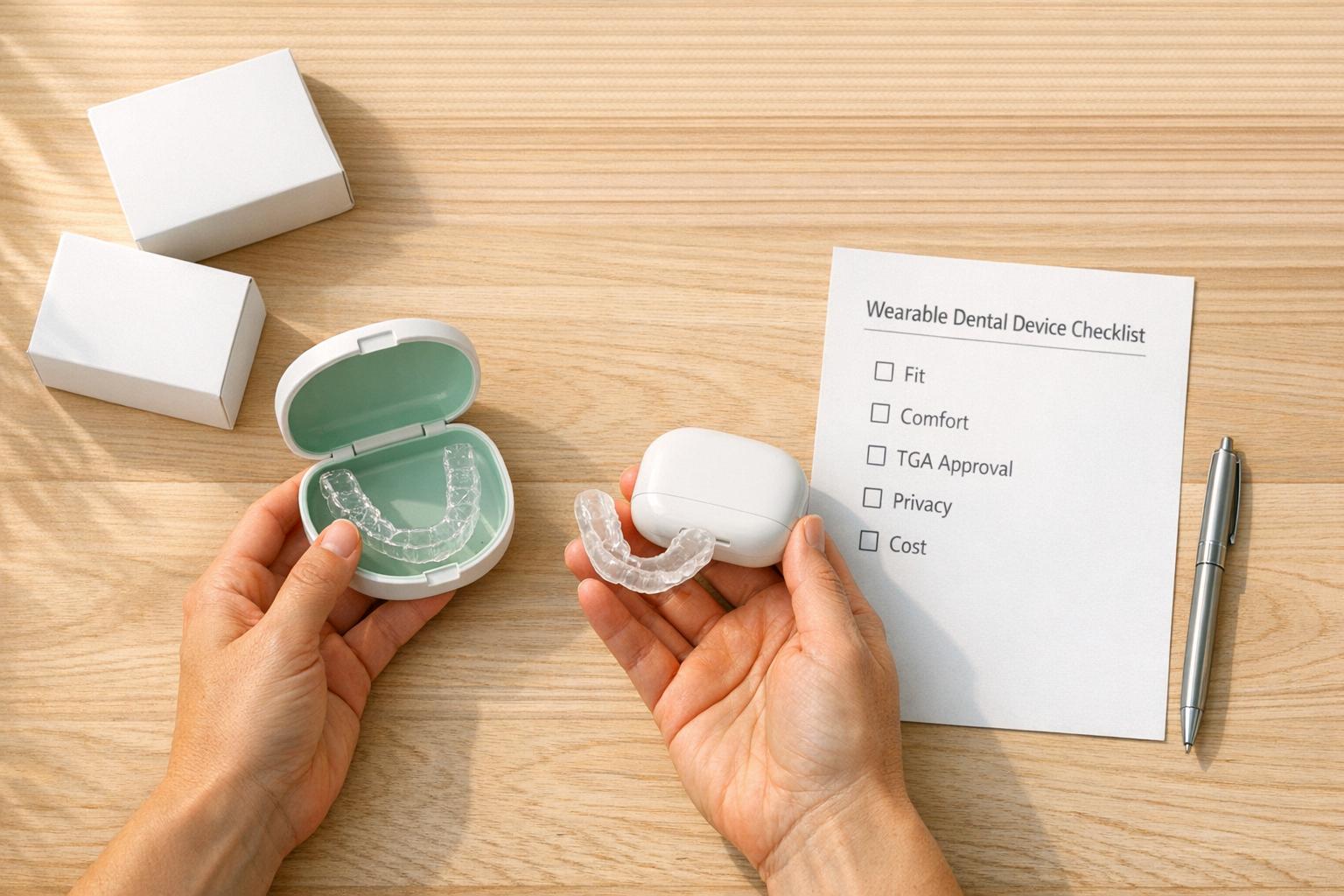
Checklist for Choosing Wearable Dental Devices
Checklist for Choosing Cloud AI Platforms in Dentistry

Complete Smiles Bella VistaAccepts All Major Health Funds, Including